

If you own apartments in Maryland right now, you already know the old strategy of buying a building, renovating units, and raising the rent doesn’t work like it used to.
Two of the state’s biggest rental markets, Montgomery and Prince George’s counties, have strict limits on how much you can raise rent through June 2027.
Meanwhile, DC-area rents remain slow, with more empty units in older buildings. In Baltimore, landlords are having to offer move-in discounts just to compete with brand-new apartment buildings.
Since you can’t simply remodel a unit and charge much higher rent, your smartest move is to make practical upgrades that fill empty apartments faster, keep good tenants from moving out, and lower your monthly utility and repair bills.
Know Your County’s Rent Rules First
Before budgeting for a rent bump, verify which local laws govern your building:
- Montgomery County: Regulated units (generally 23+ years old) are capped at a 5.2% annual increase through June 30, 2027, with a 90-day written notice required. Cities like Rockville and Gaithersburg sit outside this program.
- Howard & Anne Arundel Counties: Local rules vary by municipality. Always confirm location-specific ordinances before starting work.
- Prince George’s County: Under the Permanent Rent Stabilization and Protection Act, regulated units are capped at 5.7% through June 30, 2027, and owners must file an annual report—or an exemption certification if exempt—to maintain license compliance.
Unlike in states with automatic vacancy decontrol, you cannot assume you can reset rent to market when a tenant moves out. Both Montgomery and Prince George’s counties allow limited capital improvement surcharges, but you must apply and receive approval before starting work.
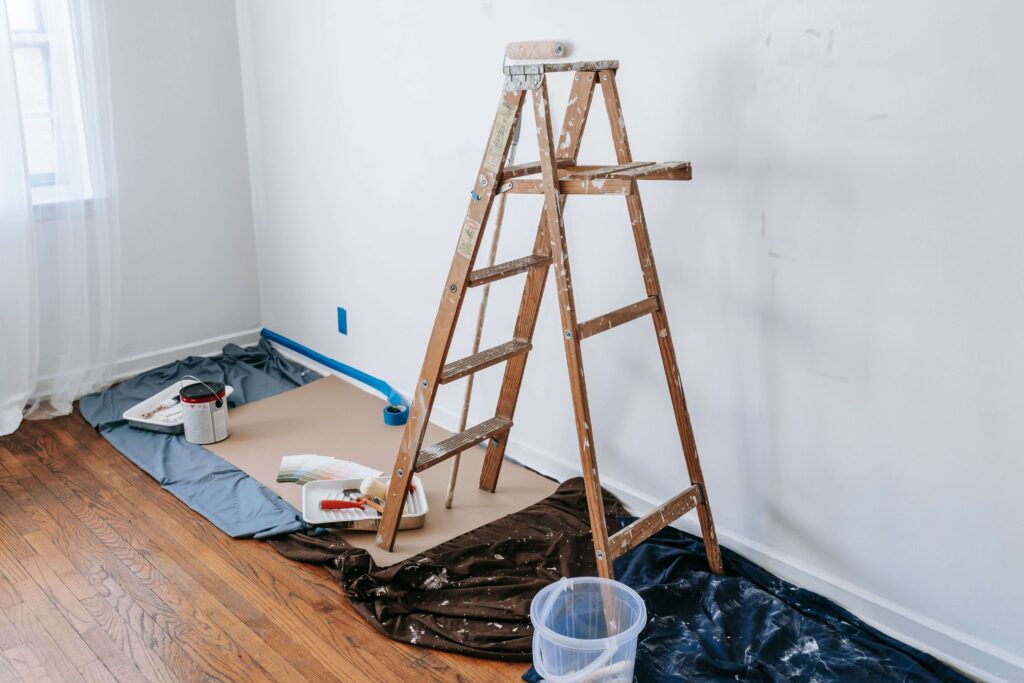
Top 8 Maryland Apartment Renovations, Ranked by Return
Based on Maryland market data and rent stabilization rules current as of November 2026, here are the 8 highest-impact apartment upgrades ranked in order from #1 (strongest return per dollar) to #8 (longest payback):
1. Light Interior Refresh (Best Overall Return)
Fresh paint, durable hard-surface flooring, updated lighting, and modern hardware offer the lowest cost, fastest turnaround, and strongest yield on cost to help older units compete with newer buildings. Stick to clean, durable finishes over trendy “flip” materials.
2. Kitchen and Bathroom Refresh
Swapping countertops, refacing cabinets, updating vanities and fixtures, and reglazing tubs delivers high renter appeal in the two rooms that sell a unit, without the cost or permit delays of moving plumbing.
3. Energy and Water Efficiency
LED lighting, low-flow fixtures, smart thermostats, and efficient water heaters may not raise rent directly, but they permanently lower owner-paid utility bills, crucial when rent growth is capped.
4. Safety and Compliance Upgrades
Staying ahead of smoke and carbon monoxide detector rules, egress standards, and Montgomery County’s multifamily safety plan requirements protects your rental license and gives prospective residents peace of mind.
5. In-Unit Laundry
Adding washer/dryer units or hookups is a major draw for renters, though older Maryland buildings often lack the plumbing, venting, or electrical capacity to make installation cost-effective. Confirm feasibility and permits first.
6. Curb Appeal and Common Areas
Upgraded entryways, exterior lighting, secure access, and package lockers boost leasing velocity and retention across the entire building, even if they are harder to tie to a specific unit rent premium.
7. Building Systems (Roofs, HVAC, Windows)
High cost with a long payback horizon, though essential to protect the asset and prevent costly emergencies. Where local rules allow, apply for a capital improvement surcharge before starting work to recover a portion of the spend.
8. Full Unit Gut Renovations and Added Units
The highest upfront cost and slowest payback. Where annual rent increases are capped, recouping a $30,000+ remodel through rent alone can take years, so model conservatively before committing.
If you own apartments in Montgomery, Howard, Anne Arundel, or Prince George’s County, Mainstay Property Management can help you build a renovation plan tailored to your building and local rules.
Serving Montgomery, Howard, Anne Arundel & Prince George’s Counties
Check the Math Before You Spend
Evaluate upgrades using Yield on Cost (new annual income ÷ cost), Value Created (new annual income ÷ local cap rate), and Vacancy Savings (days saved × daily rent).
At an illustrative 6% cap rate, a $5,000 light refresh yielding a lawful 75/month(900/year) delivers an 18% yield on cost, creates $15,000 in value, and saves another $900 every time it shaves 15 vacant days off a $60/day unit.
By contrast, a $30,000 full remodel adding 250/month(3,000/year) delivers just a 10% yield on cost. Spreading capital across multiple lighter turns consistently outperforms betting big on heavy remodels.
5 Quick Checks Before Starting
- Confirm local laws: Verify your county, municipality, building age, and exemptions.
- Check submarket comps: Price target rents against active local listings.
- Verify turnover rules: Confirm how your county’s rent cap applies to a brand-new lease.
- Get current bids: Lock in written material and labor quotes today.
- Clear all approvals: Confirm permits, notices, annual reports, and surcharge petitions before work begins.
Article Recap and Answers to Common Questions
What value-added renovations create the biggest returns for Maryland apartments? Light interior refreshes, restrained kitchen and bathroom updates, utility efficiency upgrades, and safety/compliance improvements deliver the highest return per dollar in a rent-stabilized market.
How much can rent increase in Montgomery and Prince George’s counties in 2026–2027? Through June 30, 2027, regulated units are capped at 5.2% in Montgomery County and 5.7% in Prince George’s County (outside age-restricted senior housing). Always confirm your building’s exact status with the county.
Can I recover renovation costs through a rent surcharge in Maryland? Yes, in certain cases. Both Montgomery and Prince George’s counties offer capital improvement surcharge programs, provided you apply and receive county approval before starting the work.
Disclaimer: Based on Maryland market data and county rent regulations current as of November 2026, this article is for informational purposes only and does not constitute legal, financial, or construction advice. Always confirm current ordinances with your local housing authority and consult a qualified Maryland attorney before renovating.